Slang moves faster than trends on your feed. One week a word feels niche, the next it’s everywhere—TikTok captions, gaming chats, Instagram comments, even text messages. “Alpha” is one of those words dominating online culture right now. You’ve probably seen someone called an “alpha” or heard phrases like “alpha energy” or “stay alpha.” But what does it really mean in modern slang usage, and why is it suddenly everywhere again in 2026?
This isn’t just another dictionary breakdown. This is how real people use it, what it signals socially, and why it still hits in Gen Z communication.
⭐ ULTRA FEATURED SNIPPET BLOCK ⭐
What does alpha mean in slang?
→ In slang, “alpha” refers to someone who is confident, dominant, and naturally takes leadership in social or competitive situations. It often describes a person with strong self-belief, charisma, and control, but can also be used ironically to mock overconfidence.
Quick Meaning Points:
• Tone: Positive or sarcastic depending on context
• Who uses it most: Gen Z, gamers, social media users
• Where used most: TikTok, Discord, Instagram, texting
• Example sentence: “Bro walked in like an alpha, no hesitation.
Core Meaning Explained
At its core, “alpha” slang meaning comes from the idea of being the top person in a group. It suggests dominance, leadership, and confidence. Think of someone who naturally takes charge without trying too hard.
But modern slang definition is more layered than that.
In today’s digital culture, “alpha” can mean:
• Someone with strong confidence and self-respect
• A person who leads socially or emotionally
• Someone who doesn’t seek validation but attracts it
• A vibe of control, calmness, and assertiveness
However, context matters. The same word can flip tone instantly.
Used seriously:
“His mindset is alpha—he doesn’t fold under pressure.”
Used sarcastically:
“Yeah, real alpha behavior yelling in comments.”
So the meaning in text or online posts depends heavily on tone, platform, and intent.
Origin and Evolution Timeline
Understanding how “alpha” slang evolved helps explain why it still dominates.
Early roots
The term originally comes from animal behavior studies, describing the “alpha male” as the leader of a group. Later, self-help and dating communities adopted it to describe dominant personalities.
Internet forum phase
Early 2000s forums and blogs popularized “alpha vs beta” discussions. It became tied to confidence, masculinity, and social hierarchy.
Meme culture expansion
Around 2015–2020, meme culture began reshaping the term. It started appearing in jokes, ironic posts, and exaggerated personality labels.
Mainstream social media boom
Platforms like TikTok and Instagram turned “alpha” into a viral slang word. It moved beyond masculinity and became more about mindset and energy.
2026 current usage
Now, “alpha” is fluid. It’s used seriously, playfully, and ironically. It applies to anyone—not just men—and focuses more on behavior than identity.
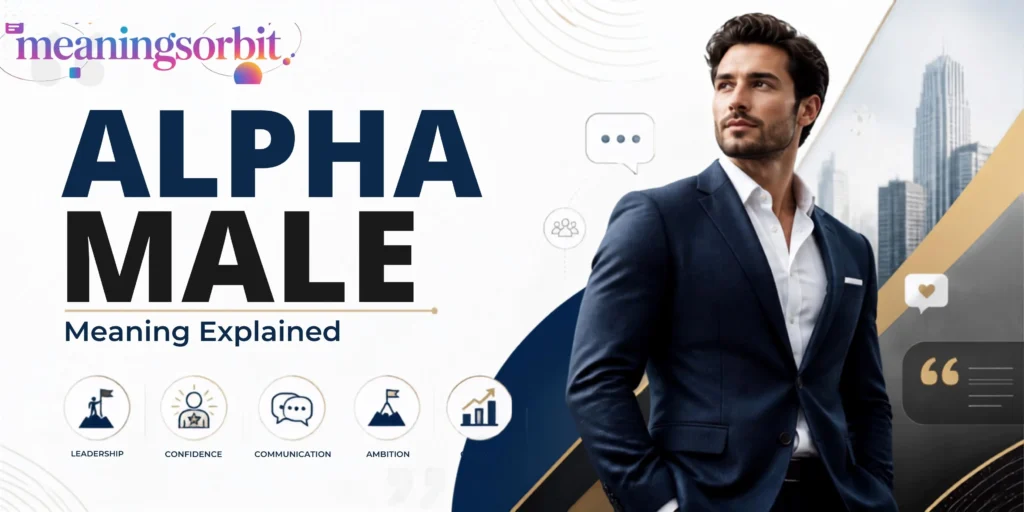
What Is the Meaning of Alpha Male?
An alpha male is a man who is often perceived as confident, assertive, and influential. The term is commonly used to describe someone who takes initiative, demonstrates leadership qualities, and commands respect in social or professional situations. In modern internet culture, “alpha male” may be used either as a genuine compliment or humorously in memes and online discussions.
How Gen Z Uses Alpha Today in 2026
Gen Z doesn’t use slang randomly. Every word carries social meaning, identity signals, and sometimes humor.
Here’s how “alpha” shows up across platforms:
TikTok
• Used in motivational edits
• “Alpha mindset” videos
• Glow-up and self-improvement content
• Sometimes mocked in satire clips
Discord
• Gaming dominance: “He’s the alpha of the squad”
• Competitive banter
• Irony in friend groups
Gaming chat
• Refers to skilled or fearless players
• Used to hype teammates
• Sometimes sarcastic after mistakes
Instagram comments
• Compliments: “Alpha energy 🔥”
• Meme replies
• Personality judgments
Text messages
• Casual praise
• Jokes between friends
• Playful teasing
The key shift in 2026: it’s less about dominance over others and more about control over yourself.
Real Chat Style Examples
Friend 1: Bro didn’t even react, just handled it calmly
Friend 2: That’s alpha behavior right there
Friend 1: He posted another “alpha mindset” video
Friend 2: Nah that’s fake alpha, too try-hard
Friend 1: You saw her presentation?
Friend 2: Yeah she was confident, total alpha vibe
Friend 1: I messed up in the match
Friend 2: Shake it off, stay alpha
Friend 1: He keeps bragging nonstop
Friend 2: That’s not alpha, that’s insecurity
Similar Slang Comparison
Here’s where SEO gold lives—understanding related slang helps clarify meaning and ranking relevance.
| Slang Word | Meaning | Tone | Key Difference |
|---|---|---|---|
| Alpha | Confident leader | Positive/Sarcastic | Focus on dominance or self-control |
| Sigma | Independent loner | Neutral/Cool | Doesn’t seek leadership |
| Beta | Passive or submissive | Negative | Opposite of alpha |
| Chad | Attractive confident guy | Meme-based | More about looks + confidence |
| Boss energy | Leadership vibe | Positive | Less aggressive than alpha |
Quick insight:
“Alpha” is about presence and control, while “sigma” is about independence.
Psychological and Social Meaning
Why do people even use this slang?
It’s deeper than just words.
Identity signaling
Calling someone “alpha” signals strength, confidence, and respect. It helps users position themselves socially.
Validation culture
People crave recognition online. Using terms like “alpha” gives quick validation without long explanations.
group belonging
Slang builds community. If you understand and use “alpha” correctly, you’re part of the culture.
Power perception
Humans are wired to notice hierarchy. Even online, people categorize behavior into “leader” vs “follower.”
Irony and humor
Gen Z loves flipping meanings. Sometimes “alpha” is used to mock fake confidence or exaggeration.
So the word works on two levels: real admiration and subtle sarcasm.
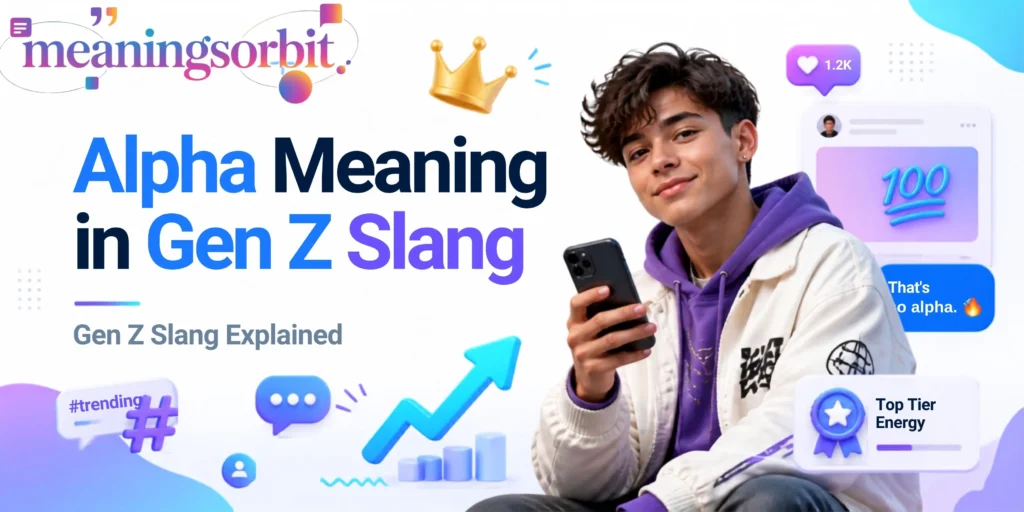
Alpha Meaning in Gen Z Slang
In Gen Z slang, “alpha” refers to a person who is confident, respected, and seen as a natural leader. The term is often used online to describe someone who stands out because of their confidence, success, or strong personality. Depending on the context, “alpha” can be used seriously as a compliment or humorously in memes and social media posts.
When Not To Use This Slang
Not every situation needs slang, especially one with layered meaning.Avoid using “alpha” in:
Professional environments
Emails, meetings, LinkedIn posts—sounds unprofessional.
Formal writing
Academic or official content requires clarity, not slang.
Older audiences
They may misunderstand or interpret it literally.
Serious conversations
Topics like mental health or conflict need respectful language.
Cross-cultural communication
The slang meaning might not translate well globally.
Using it in the wrong place can make you sound immature or out of touch.
Is This Slang Still Trending in 2026?
Yes—but with evolution.
“Alpha” is still trending, but not in its old form.
What’s changed:
• Less toxic masculinity association
• More gender-neutral usage
• More ironic and meme-driven
• More about mindset than dominance
Future prediction:
The word will stay relevant but continue shifting toward humor and self-awareness.
Instead of disappearing, it’s adapting—just like all strong slang terms.
Pro Tips to Use Naturally
• Use it casually, not in every sentence
• Match tone with context (serious vs sarcastic)
• Avoid overusing in one conversation
• Pair with actions, not just labels
• Use irony carefully—don’t confuse people
Natural use always feels effortless, not forced.
Common Mistakes
• Using it too seriously in casual chats
• Calling yourself “alpha” too often
• Misunderstanding sarcasm
• Using it in formal settings
• Confusing it with aggression instead of confidence
Biggest mistake: thinking alpha means loud or dominant. It often means calm and controlled.
Related Slang Words Mini Glossary
• Sigma – Independent, self-reliant person
• Beta – Passive or less confident individual
• Chad – Confident and attractive guy (meme)
• Gigachad – Extreme version of confidence and perfection
• NPC – Someone acting predictable or unoriginal
• Main character energy – Acting like the center of your story
• W rizz – Strong charisma or flirting ability
• Aura – Personal vibe or presence
These words often appear together in modern slang usage.
Frequently Asked Questions
What does alpha mean in 2026?
In 2026, alpha is a popular Gen Z slang term for someone who is confident, influential, and respected. It can be used sincerely as a compliment or sarcastically in memes and online conversations.
What does alpha mean in Gen Z slang?
In Gen Z slang, alpha describes a person who appears confident, dominant, or naturally takes charge. The term is common on TikTok, Instagram, Discord, and gaming communities, where it is often used humorously.
What is peak slang for 2026?
Peak is Gen Z slang that means something is very unfortunate, embarrassing, or disappointing. For example, “Missing the concert was peak” means it was really unlucky or disappointing.
Is Gen Alpha slang just nonsense?
No. Although Gen Alpha slang can sound confusing, most terms come from internet culture, memes, gaming, and social media. Words like gyatt, rizz, sigma, and skibidi have meanings that are widely understood by younger online communities.
Is alpha a compliment or an insult?
It depends on the context. Calling someone alpha can be a compliment for their confidence and leadership, but it can also be used sarcastically to tease someone who is acting overly confident or trying too hard.
Is alpha slang still popular in 2026?
Yes. Alpha remains one of the most widely used Gen Z slang terms in 2026, especially on TikTok, YouTube, X, Instagram, and gaming platforms.
Power Conclusion
“Alpha” isn’t just a slang word—it’s a reflection of how people view confidence, control, and identity in digital culture. In 2026, it’s no longer about dominating others. It’s about self-assurance, emotional control, and quiet confidence.
Used right, it can highlight respect, admiration, or even humor. Used wrong, it can sound forced or outdated. That’s the balance modern slang demands.
If you want to stay relevant in online conversations, understanding words like “alpha” isn’t optional—it’s essential. Language evolves fast, but the psychology behind it stays consistent.
Now you know exactly what “alpha” means in slang, how to use it naturally, and when to avoid it.
Share this with someone who still thinks alpha just means “bossy.”

Basharat Ali is a language and digital culture writer at MeaningsOrbit.com, with 5+ years of experience explaining slang, text abbreviations, Gen Z language, and internet expressions. His goal is to make confusing words simple, clear, accurate, and easy for everyone to understand.